CBD Oil Drops Without the Guesswork: What 'Start Low' Really Looks Like in Real Life
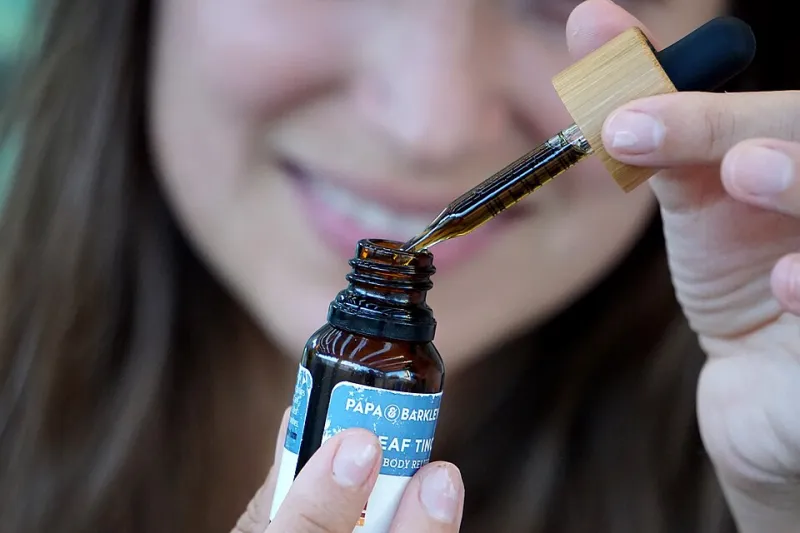
Photo: elsaolofsson, CC BY 2.0, via Wikimedia Commons
You've seen the phrase on every CBD label, blog and forum: start low, go slow. It is genuinely good advice. It is also about as specific as a weather forecast that says 'somewhere in the UK might get rain'. If you are standing in a shop in Leeds or scrolling on your phone in Cardiff wondering whether 'low' means one drop, half a dropper or a whole bottle, this guide is for you.
At CBD Boy & Co., we are not doctors and we are not here to promise miracles. CBD is a wellness product, not a cure-all, and the law in the UK does not allow us to make medical claims. What we can do is help you read a label, compare strengths sensibly and build a simple routine you can actually stick to.
The big number is not the whole story
A bottle that says 1000mg on the front is not automatically stronger than one that says 500mg. The number tells you how much cannabidiol is in the whole bottle. To compare two products, you need to know the bottle size as well. A 10ml bottle with 1000mg contains 100mg per millilitre. A 30ml bottle with 1000mg contains about 33mg per millilitre. Same headline number, very different concentration.
This is why two bottles can look identical on the shelf but behave quite differently in your kitchen. Always check the total mg, the bottle size in ml and the suggested serving size on the back. If a brand hides those details, put it back.
The maths that actually matters
Most oils give a serving size in millilitres, often 0.5ml or 1ml. To work out mg per serving, divide the total mg by the number of millilitres in the bottle, then multiply by the serving size. For example: 500mg in a 10ml bottle is 50mg per ml. If the suggested serving is 0.5ml, that is roughly 25mg per serving. If the suggested serving is 0.25ml, it is about 12.5mg.
Drops are less reliable because drop size varies by dropper. A common rough guide is 20 drops per ml, but check your own dropper. If your oil is 50mg per ml and you use 20 drops per ml, one drop is around 2.5mg. That is a useful estimate, not gospel. For consistency, a marked dropper or a small syringe is better than counting drops while the kettle boils.
What 'low' means in real life
There is no universal low dose. It depends on your size, your experience, the product's concentration, how you take it and what else is going on in your body. A cautious starting point is usually a small fraction of the label's suggested serving, taken once a day, rather than a full dropper straight away. Some people begin with around 5–10mg per day; others prefer to start even smaller. The important part is that you choose one small, repeatable amount and stay there for a few days before changing anything.
Do not chase a feeling. CBD is not a light switch. If you feel nothing on day one, that is not a reason to double the amount on day two. Slow means slow. Give yourself a week or two of consistent use before you judge whether the routine fits.
Keep a diary that takes 30 seconds
You do not need a spreadsheet. A notes app entry with five lines is enough:
- Date and time
- Product name, strength and batch number
- Amount taken
- Whether you had eaten
- Anything you noticed, good or bad
After a fortnight, look back. Are you sleeping the same? Is your mood the same? Did you get a headache? Did you forget to take it? This is not about proving anything. It is about spotting patterns and avoiding the classic mistake of changing three things at once and then having no idea what worked.
When to ask a pharmacist or GP
If you take any prescription medicine, especially blood thinners, epilepsy medication, sedatives or anything for liver or heart issues, talk to a pharmacist or GP before you start. CBD can interact with some medicines. The same goes if you are pregnant, breastfeeding, due to have surgery, have a liver condition or are under 18. Bring the bottle with you so they can see the strength and ingredients. If you notice dizziness, nausea, upset stomach or any worrying symptom, stop and seek advice.
Taste, texture and the under-the-tongue bit
Most oils are taken under the tongue and held there for 60–90 seconds before swallowing. That is not a magic trick; it is just a common way to take an oil. Expect an earthy, slightly peppery taste. Some brands add peppermint or citrus to soften it. Shake the bottle, store it somewhere cool and dark, and check the best-before date.
The bottom line
'Low' is not a number on a marketing badge. It is the smallest sensible serving you can repeat consistently, noted down, without rushing. Start there. Stay there for a bit. Read the label, keep the diary, and ask a professional if anything feels off. That is the whole philosophy—no drama, no daft promises, just a sensible cuppa-and-common-sense approach to CBD.