Paws Off the Pipette: A Pet-Safe Plan for CBD in a British Home
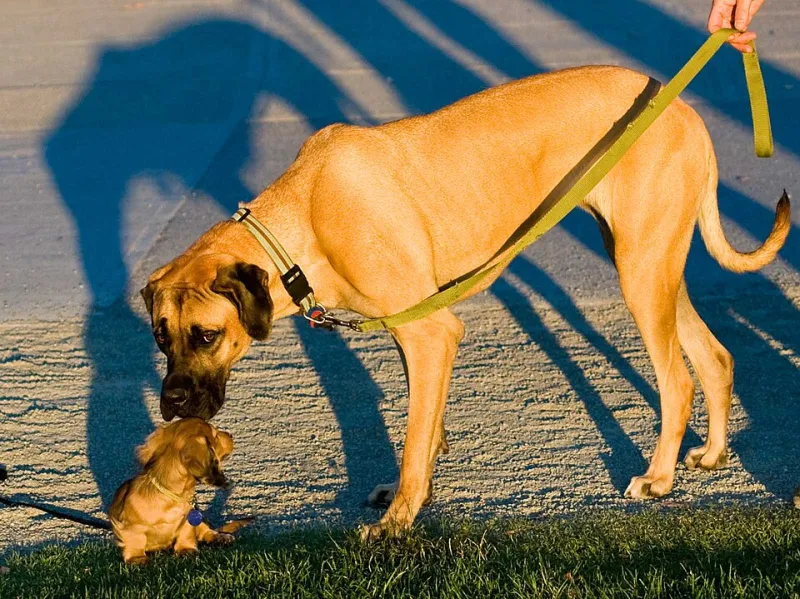
Photo: Dan Bennett, CC BY 2.0, via Wikimedia Commons
Most CBD households have a version of this story. You turn your back for thirty seconds and the dog has its nose in your bag, or the cat is batting a pipette across the kitchen floor like it is the best toy in the world. It is funny for about a second. Then you start wondering what was in the bottle and whether you should ring the vet.
This is not a veterinary article, and it is not a substitute for proper advice. It is a household guide. The aim is simple: keep your CBD away from paws, know what is in your products, and have a plan for the moment a curious pet gets too close.
The honest starting point: pets are not small humans
Dogs and cats metabolise lots of things differently from us. They are also much lighter, which means a small amount of oil or a stray edible can matter more than it would for a person. CBD products are not medicines, but they are still products with ingredients in them — carrier oils, flavourings, sweeteners, possibly other plant compounds. Some of those are fine for us and not fine for animals.
So the first rule is not dramatic. It is just boring and useful: treat your CBD like you would treat any other product you would not leave lying around. Put it away. Properly away.
What is actually in the bottle?
When people say ‘CBD oil’, they usually mean a bottle of hemp extract in a carrier oil, often with a flavour added. Edibles can be even more varied: gummies, chocolates, drops, small sweets, capsules. The CBD itself is only part of the picture.
A few ingredients deserve a special mention in pet households:
- Xylitol, sometimes called birch sugar. It turns up in sugar-free sweets, some nut butters and certain baked goods. It is dangerous for dogs, even in small amounts. If your CBD edible or treat contains it, it should be nowhere near a dog.
- Chocolate, raisins, sultanas, currants and macadamia nuts. These are common in human snacks and can be toxic to dogs. A CBD chocolate is still a chocolate.
- Caffeine. Some flavoured products and ‘energy’ style edibles may contain it. Dogs are sensitive to caffeine.
- Essential oils and strong flavourings. Peppermint, eucalyptus, citrus and tea tree oils can be irritating or worse for pets, especially cats. A strong minty CBD oil is not a pet-friendly room spray.
- THC and unknown cannabinoids. UK CBD products should be THC-limited, but the market is not perfectly tidy. Pets can be sensitive to cannabinoids, and an unregulated product makes the ‘what did they actually eat?’ question harder.
You do not need to become a food scientist. You just need to read the label once, keep the packaging, and store the product where a pet cannot help itself.
Storage habits that actually work
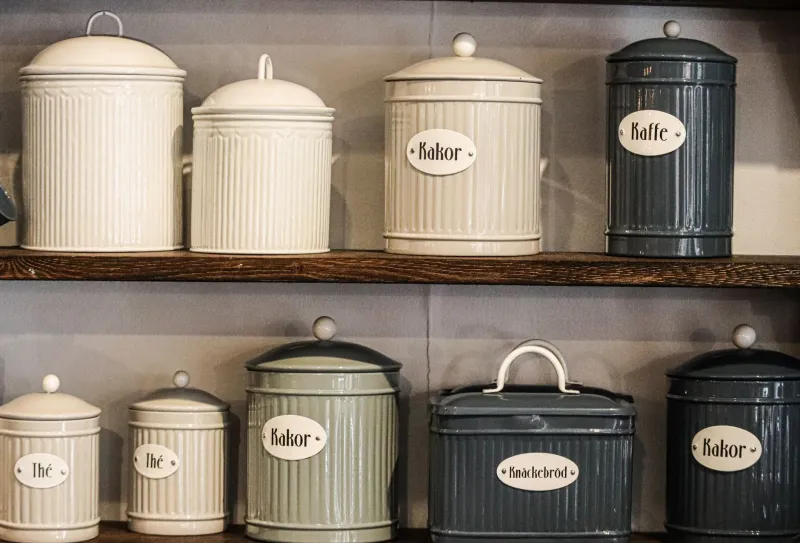
A lockable tin or box is the simplest solution. It does not need to be fancy. A small metal tin with a clasp, a plastic storage box with a lid, or a high cupboard behind a closed door will do. The point is to create one place where CBD lives, so you are not hunting for it and pets are not finding it.
A few very British household traps to watch:
- The bedside table. Easy to reach, easy to knock over, and often full of small bottles.
- The handbag or coat pocket. Dogs love a bag. Visitors’ bags are even better. If you carry CBD with you, use a zip pocket and put the bag out of reach when you get home.
- The kitchen worktop. Cats can get up there. Dogs can counter-surf. A bottle rolling towards the edge is a classic.
- The coffee table. Particularly during a quiet evening when the drops are out and the dog is feeling sociable.
- The fridge door. Some people keep oils cool. That is fine, but a fridge shelf is not a safe. Use a sealed box and put it on a shelf a pet cannot reach.
Keep products in their original bottles with the label on. Do not decant CBD into an unmarked dropper bottle or a little travel pot. If something does go wrong, the original packaging tells your vet what the product is, how strong it is, and what else is in it. That matters more than a tidy cupboard.
Clean up spills properly. A dropped pipette, a sticky patch on the floor, a capsule that rolled under the sofa — all of these are worth dealing with straight away. Use kitchen roll and soapy water, then wash your hands. Do not assume a small spill is harmless because it is small.
If your pet has had a nibble or a slurp
First, stay calm. Then move the pet away from the product, pick up whatever is left, and put it somewhere safe. Note the time, the product name, the strength on the label, and how much seems to be missing. If you can, keep the packaging.
Do not induce vomiting unless your vet tells you to. Do not give human medicines, milk, salt water or home remedies. Do not wait for symptoms to appear before you make the call. A quick phone call to your vet is almost always better than an hour of searching online.
Symptoms to take seriously include vomiting, diarrhoea, wobbliness, drowsiness, agitation, tremors, seizures, slow breathing or collapse. Cats can be especially good at hiding how unwell they are, so any known ingestion is worth a call. If your vet is closed, ring the emergency vet or an animal poison service and follow their advice.
Google is not a vet. It is a place where one person’s story about their cousin’s dog becomes a fact in your head at 11pm. Use it to find your vet’s number, not to diagnose your pet.
A five-minute reset for CBD households
If you do nothing else, do this once: choose one pet-proof place for all CBD products. Put oils, edibles, capsules and anything CBD-related in it. Close the lid. Tell everyone in the house where it lives. Then do a quick sweep of the usual suspects — bedside table, handbag, kitchen counter, coffee table, coat pocket.
It is not about being fearful of CBD. It is about being realistic about pets. They are curious, quick and surprisingly good at finding the one thing you did not put away. A small tin and a bit of consistency are all it takes to keep the pipette out of paw reach.