The Back-of-the-Envelope CBD Log: A Sceptic's Low-Drama Way to Spot What Changes

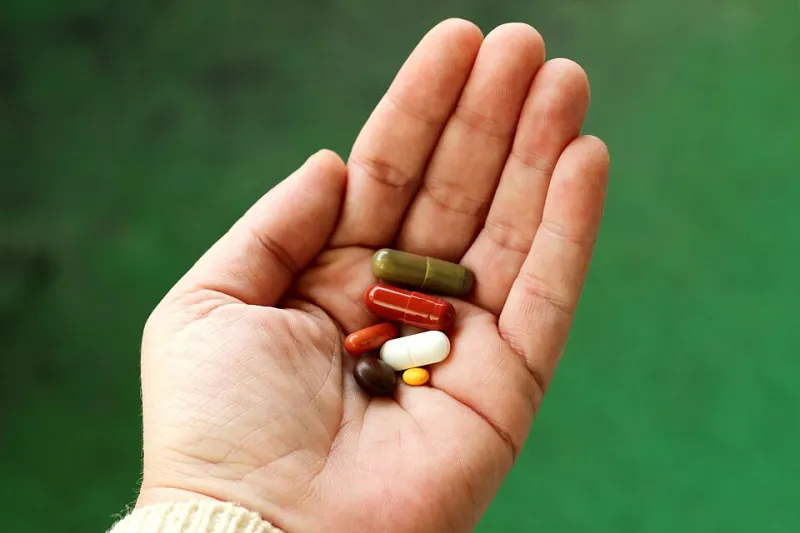
Photo: Kristin Hardwick, CC0, via Wikimedia Commons
If you are the sort of Brit who raises an eyebrow at the words wellness journey, a CBD diary probably sounds like homework with extra steps. Fair enough. But a simple paper log is not about proving anything to anyone. It is about replacing a vague feeling — I think it might be doing something? — with a few honest notes you can actually look back on. No app. No colour-coded spreadsheet. No dramatic before-and-after. Just one page, a pen and a couple of minutes a day.
Why paper wins over another blinking app
Most sceptics do not need another notification. A notebook or a single index card sits quietly by the kettle, in the drawer where you keep your bottle, or on the bedside table. It does not ask for a password. It does not sync. It does not judge you for skipping Tuesday.
Keep the log where you take your CBD. If your bottle lives in the cool, dark drawer, keep the page there too. The easier it is to reach, the more likely you are to use it. Neatness is optional. Crossings out are fine. This is not a school project.
The only columns you need
A sceptic-friendly CBD log should be almost aggressively simple. Five columns will do:
- Date and day
- Time taken
- Dose — drops, ml or whatever the label says
- Sleep — a rough score or one word
- Mood and anything noteworthy
That last column is where you jot the context: late night, stressful meeting, two pints, a cold coming on, a very good dog walk. Do not write essays. A few words is plenty. If nothing stands out, write nothing to report. Dull days are still data.
The two-minute routine
Take your dose, then pick up the pen. Note the time. At bedtime, jot down how you slept the night before and one word for how the day felt. If you forget, leave a blank. Do not spend the next morning reconstructing yesterday from memory — that is how diaries turn into fiction.
Try not to change your dose every day. If you are testing a new bottle, keep the rest of your routine reasonably steady for a week or two. Life is not a laboratory, of course. You will still have late nights and stressful Wednesdays. The point is to note those disruptions rather than pretend they did not happen.
A scale for people allergic to scales
You do not need a ten-point mood matrix. Pick a simple scale and stick to it. Words work well: rough, okay, good, great. Or numbers one to five. For sleep, note roughly how many hours you got and whether you woke up in the night. For mood, single words are fine: flat, fine, frayed, cheerful, foggy.
Consistency matters more than precision. A rough note you actually write beats a perfect system you abandon by Thursday.
The three-week review
After two or three weeks, sit down with the pages and a cuppa. Do not hunt for miracles. Ask a few sensible questions instead.
Did I take it consistently? Were any good days clustered around something else — a quieter week at work, a few early nights, fewer glasses of wine? Did anything get worse? Did I actually notice anything, or was I just hoping? Was it worth the money?
You are looking for patterns, not proof. If nothing clear emerges, that is still a useful result. Maybe the dose was too low, the timing was wrong, or CBD is simply not your thing. No shame in any of those. A blank-ish diary can save you from buying another bottle out of pure optimism.
Before you blame the CBD
A diary is also a gentle reality check. Sleep, alcohol, caffeine, stress, medication, illness, exercise and the British weather all have a say in how you feel. If you start taking CBD and simultaneously begin a new gym routine, cut out coffee and go to bed at nine, your notes will not tell you much about CBD. They will tell you that life changed. That is fine — just do not give the dropper all the credit.
When to stop and when to talk to someone
If you feel unwell, stop and seek proper advice. A CBD diary is not a medical record and it is not a diagnosis. If you are taking other medication, are pregnant or breastfeeding, or have a health condition, have a word with a pharmacist or GP. You can take your notes if it helps the conversation, but do not treat them as evidence of anything beyond your own routine.
The quiet point of the page
The aim is not to become a CBD evangelist. It is to make a calm, slightly more evidence-based decision for yourself. If after three weeks you cannot tell whether it is doing anything, you have learned something useful. If you notice a small shift — better sleep on the nights you remember to take it, say — you can decide whether that is worth continuing. Either way, no drama. Kettle on, pen down, carry on.