Waiting Room Prep: How to Talk CBD at a Doctor's Appointment Without the Waffle
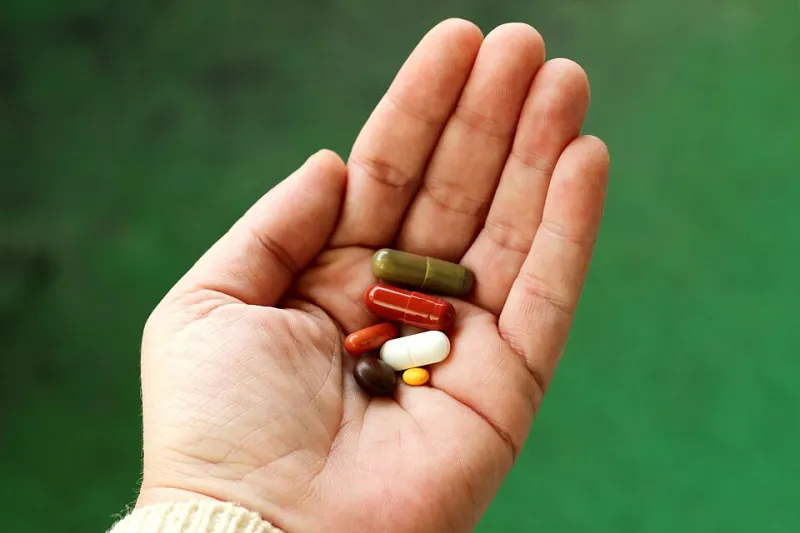
Photo: guvo59, CC0, via Wikimedia Commons
There's a particular sort of British silence that settles over a GP waiting room. Somebody coughs. The digital board clicks over. And in your head, a small argument is going on: should I mention the CBD oil, or will that make me sound like I've turned up with a crystal and a leaflet?
Here's the short answer: mention it. Here's the slightly longer answer, and it's the reason this piece exists — mention it in a way that helps the person sitting opposite you actually do their job.
This isn't medical advice, and it isn't a nudge to self-diagnose. It's just a practical routine for a conversation that a lot of people avoid, and then quietly worry about afterwards.
Decide What You're Actually Asking Before You Go In
Most muddled appointments start with a vague opening. "What do you think about CBD?" is a hard question to answer in ten minutes, because it could mean a dozen different things.
Try narrowing it yourself first. Are you after a check on interactions? A note on your record? Reassurance about a symptom that started around the same time? Pick one and lead with it. "I take a CBD oil in the evening and I want to check it won't clash with my tablets" is a complete thought, and it gives your GP something to work with.
The Five-Line Note Worth Writing the Night Before
You don't need an essay. You need five lines, written while you can still read the label without squinting.
- The product and strength. Something like "10% CBD oil, 10ml bottle" plus, if the label states it, the milligrams per drop. Read the back of the bottle rather than the website you bought it from.
- Dose and timing. How many drops, how often, and when in the day. Under the tongue at 9pm is a perfectly good answer.
- How long you've been using it. Three weeks, six months, on and off. Roughly is fine.
- What you're hoping it does. Sleep, post-gym stiffness, general wind-down. Say it plainly, even if it sounds small.
- Anything that's changed. A new prescription, a new symptom, a rotten run of sleep.
Bring the bottle with you, or a photo of the back label. The back label is where the useful details live: CBD content, THC content, carrier oil, batch number. A quick glance tells your GP more than a paragraph of memory ever will.
In the Room: Numbers Beat Narrative
Don't lead with the brand story or the bloke in the shop who said it was brilliant. Lead with figures.
"I take five drops under the tongue about an hour before bed, so roughly 25mg a night. I've been doing it since September."
That sentence does a lot of work. It's specific, it's checkable, and it doesn't ask the GP to take anything on trust. If you genuinely don't know your dose — because you've been eyeballing it, or the dropper is vague — say that too. "I've been guessing, which is partly why I'm here" is honest and useful, not embarrassing.
One phrase to leave at home: "It's natural, so it can't interact with anything." It isn't true, and it's the quickest way to make a clinician's shoulders drop.
The Bit Most People Skip: Everything Else You Take
This is the part that matters most, and it's the part people tend to leave out because it feels like over-sharing.
CBD affects how the body processes certain medicines, largely through a family of liver enzymes called CYP450. You don't need the biochemistry to have a sensible conversation about it. You just need to list what's going in your mouth.
Prescriptions. Over-the-counter painkillers. Supplements. Anything herbal. And be specific about the ones that raise eyebrows: blood thinners such as warfarin, epilepsy medicines, some antidepressants, thyroid tablets. If you're on a blood thinner, a GP will want to know about CBD before you carry on. That isn't scaremongering, it's just the sensible order of operations.
A written list on your phone is fine. So is reading it out. The goal is to leave nothing in your pocket that should have been on the table.
What a GP Can and Can't Do For You
Be realistic about the remit. A GP can check for interactions, note CBD on your record, and tell you what to keep an eye on. A GP cannot prescribe a high-street CBD oil for everyday wellness, and in the UK it isn't a licensed medicine for general aches, stress or sleep. Prescribed cannabis-based medicines do exist, but that's a specialist conversation, not a wellness purchase.
Knowing that in advance keeps the appointment on the rails. You're not asking for a prescription. You're asking for a sensible second pair of eyes.
And a firm word on stopping things: never come off a prescribed medicine because a wellness product made you feel better. That's a conversation, not a decision.
If Speaking It Aloud Feels Awkward
Some people freeze in the chair, and that's fine. Write the five lines on a Post-it and hand it over. If your surgery uses an online consultation form, put it in there before the appointment — it gives the GP time to read it rather than react to it.
A pharmacist is the other underrated option. For straight answers on interactions, you often don't need an appointment at all, just a quiet weekday morning and the actual bottle in your hand.
Afterwards: A Note for Your Future Self
Jot down the date, what was said, and anything you agreed to watch. If you change dose, switch products or start a new prescription, that note becomes genuinely useful. Your GP's record is one half of the story — yours is the other half.
The Short Version
Bring the bottle. Know your dose. List your medicines. Ask one clear question. Don't oversell it.
CBD is a small, ordinary part of an everyday routine, not a secret and not a cure. Five honest minutes is plenty — and here at CBD Boy & Co., we'd much rather you ask a slightly daft question in the chair than spend another six months wondering.