Key-Turn Check: CBD, Clear Heads and British Roads in 2026
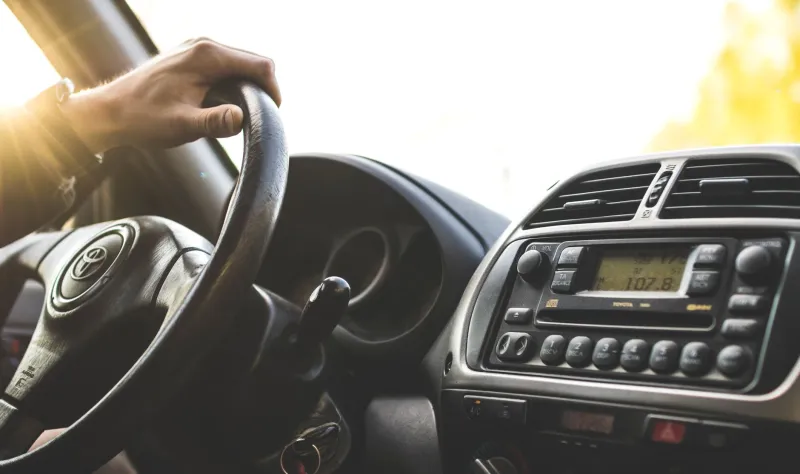
There’s a particular British moment that happens on a driveway: keys in one hand, half a thought in the other, and a little voice saying, ‘It’ll be fine.’ Most of the time, it is. But if CBD has become part of your everyday routine, that little voice deserves a proper answer rather than a shrug. This isn’t legal advice, and it isn’t a lecture. It’s a calm consumer-first check for anyone who uses CBD and also drives.
Why ‘legal’ and ‘drive-safe’ are not the same sentence
CBD products can be sold legally in the UK, but that doesn’t automatically make you fit to drive after using one. Driving law is interested in impairment and in specified drugs, not in whether your bottle came from a nice shop with a nice label. If your ability to drive is impaired by anything — including a medicine, alcohol or a product you bought over the counter — you can be in trouble. And when it comes to cannabis-related products, THC is the piece that matters most for drug-driving limits and roadside testing.
That’s the awkward bit. A product can be described as ‘THC-free’ and still deserve a second look. Labels aren’t always perfect, batches vary, and ‘legal to buy’ is not a magic phrase that clears your head for the A34. The sensible stance is simple: don’t treat your CBD routine as invisible just because it’s legal.
Read the label like a driver, not a shopper
When you’re buying for a quiet evening at home, you might skim the label for strength and flavour. When you’re buying as a driver, read it with slightly narrower eyes. Look for the amount of CBD per drop or per serving, the THC statement, the batch number and a certificate of analysis — often called a COA — if the brand provides one. A proper COA should tell you what was tested and when. It isn’t a guarantee of anything, but it’s a better conversation-starter than a cartoon leaf.
At CBD Boy & Co., we’d rather you ask boring questions before you buy than have an interesting conversation at the roadside. If a shop can’t tell you what’s in the bottle beyond ‘it’s full-spectrum, mate’, that’s useful information too. Full-spectrum products may contain trace cannabinoids, including THC, depending on the batch and the way they’re made. ‘Trace’ is not a synonym for ‘irrelevant’ when you’re about to drive.
Time your drops around the journey, not the other way round
A common mistake is treating CBD like a pre-flight drink: a quick drop before heading out, then hope for the best. Better to work the other way around. If you’re going to use CBD, do it when you don’t need to drive afterwards. For many people, that means keeping drops for the evening, a day off, or a stretch of time when the car keys can stay on the hook.
There’s no universal timetable that suits everyone. Body weight, metabolism, the product, the dose and whether you’ve eaten all play a part, and CBD isn’t a one-size-fits-all thing. That’s exactly why a new product shouldn’t get its first outing on the morning of a long drive. Don’t use the M6 as your taste test. Start low, see how you feel, and give yourself a generous buffer before you next need to be somewhere behind the wheel. If you feel at all foggy, heavy-headed or ‘not quite right’, the answer is not to ‘push through’. The answer is to hand over the keys or stay put.
A glovebox checklist that stays boring
You don’t need a dramatic kit. You need a few dull things that make a sensible decision easier.
- The original bottle or packaging. Keep the label with the batch number. A loose pipette rolling around the glovebox tells nobody anything useful.
- A photo of the COA or product page. Save it on your phone. If you’re ever asked what you use, you’ve got the details without performing a glovebox excavation.
- A note of when you last used it. This can be a simple phone note. ‘Two drops at 7pm’ is more helpful than a vague memory at 7am.
- Water. Not glamorous, but useful.
- A cool, dark place for storage. A hot car is not it. CBD doesn’t need a sauna, and a melted bottle in the glovebox is nobody’s idea of a good routine.
That’s it. No secret compartment, no drama. The checklist exists so you don’t have to rely on a fuzzy feeling and a hopeful shrug.
The ‘it’ll be fine’ moment is the one to catch
The riskiest sentence in this whole conversation is ‘it’ll be fine’. It usually means ‘I haven’t thought about it’. Before you turn the key, ask yourself a plain question: am I clear-headed right now? Not ‘probably’. Not ‘mostly’. Clear. If you’ve just tried a new oil, taken a larger dose than usual, had a drink, or feel unusually tired, that’s a moment to pause. A taxi, a lift, a later journey or a night on someone’s sofa is a cheaper and calmer option than a roadside conversation you didn’t plan for.
And if you’re ever unsure about the law or your own situation, get proper advice. Ask a solicitor, check the official government guidance, or speak to a qualified professional. A friendly blog can help you ask better questions; it can’t give you a legal answer for your exact circumstances.
CBD can be a perfectly ordinary part of British life — a few drops after a long day, a quiet ritual before bed, a small square of something nice on a Sunday. Driving is also ordinary. The trick is not to let the two blur into a foggy ‘it’ll be fine’. Read the label, leave a buffer, keep the glovebox boring, and give yourself permission to delay the drive. Keys down, kettle on. The road can wait.