Small Print, Big Clarity: A Brit's Field Guide to UK CBD Labels
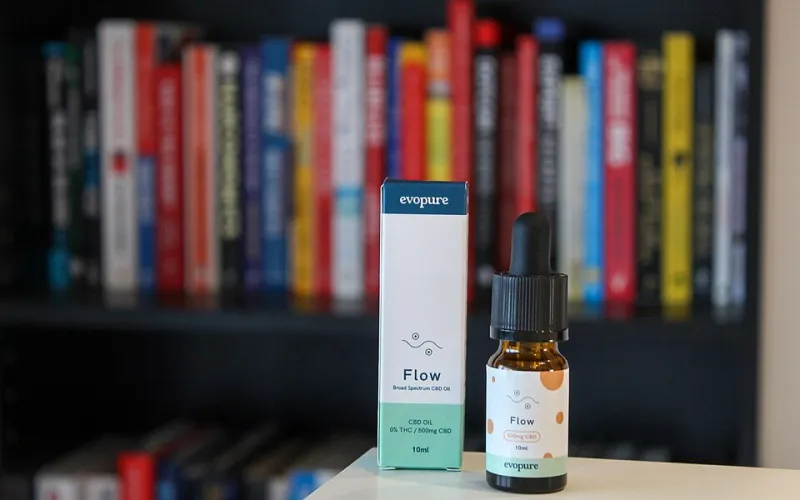
Photo: Evopure, CC BY-SA 2.0, via Wikimedia Commons
There is a moment in every CBD purchase when you turn the bottle around and feel like you have been handed a school chemistry worksheet. Percentages, milligrams, Latin plant names, a QR code, a batch number, and one tiny sentence that might be the most important thing on the label. It is a lot for something you mostly want to drop under your tongue before the kettle boils.
The good news is that you do not need to memorise the periodic table to shop sensibly. You just need to know where to look. Think of this as a field guide to the small print — friendly, practical, and written for people who would rather be comparing tea bags than cannabinoid profiles.
First, separate CBD content from strength
Two bottles can both say 500mg on the front and still behave very differently. The key is to find out how much CBD you are getting per millilitre, per drop, or per sweet. A 500mg oil in a 10ml bottle is 50mg per ml. A 500mg oil in a 30ml bottle is around 16.7mg per ml. Same headline number, very different concentration.
Then look at the suggested serving. Some labels say four drops; others say a full dropper. Those are not the same thing. Before you compare prices, compare cost per milligram of CBD and check what a realistic serving looks like. That is the fairest way to see whether a bargain is actually a bargain.
For gummies, the useful number is milligrams per gummy, not just milligrams per tub. For balms and topicals, remember that the milligram figure describes the product, not what you swallow. A balm is a balm. It belongs on skin, not in a brew.
The THC bit: what UK shoppers should look for
CBD products sold in the UK are not meant to be used for a psychoactive effect. UK CBD products are expected to contain no more than 1mg of THC per container, and reputable brands should be clear about that. Full-spectrum products may contain trace amounts of other cannabinoids, while broad-spectrum and isolate products sit at different points on the spectrum. None of that is automatically good or bad — it just needs to be stated clearly.
If the label is silent on THC, that is not a cue to panic. It is a cue to ask. A decent brand should be able to point you towards a lab report or certificate of analysis. If the answer is a vague shrug and a smiley emoji, put the bottle back.
Novel foods: the register is your friend
In the UK, CBD products are regulated as novel foods. That sounds intimidating, but the practical version is simple: check whether the product or company appears on the Food Standards Agency novel foods register. As of 2026, this is one of the most useful bits of homework a shopper can do.
A listing is not a magic quality guarantee, and it does not mean every batch is perfect. It is more like a baseline check that the brand is operating in the right conversation. If a company cannot tell you anything about its novel foods status, or waves the question away, that is worth noticing.
Batch codes, lab reports and dates
A batch code is the label's paper trail. It should link to a certificate of analysis, often called a COA, which shows what was tested and when. Look for the cannabinoid profile, the THC result, and contaminant testing where available. You do not have to understand every number. You just need to know that the brand can produce the document.
Check the best-before date too. CBD oils are not immortal. Store them somewhere cool and dark, keep the lid tight, and do not leave them on a sunny windowsill beside a sad basil plant. If a label has no batch code, no date, and no way to trace the product, that is a red flag with a bow on it.
Gummies, balms and capsules are not all the same
Gummies should tell you milligrams per sweet and milligrams per pack. That second number matters because it is easy to nibble through a tub without doing the maths. Capsules should say milligrams per capsule, plus the serving suggestion. Balms should list the CBD content and make it clear that they are for external use.
Do not compare a 500mg balm with a 500mg oil as if they are twins. They are different formats with different jobs. A patch test for a topical is sensible, especially if your skin is fond of drama.
Red flags that deserve a raised eyebrow
Be cautious with labels that promise to cure, fix or replace medical treatment. CBD is not a medicine, and a brand that makes big health claims is often compensating for a thin label. Be wary of vague strengths, missing batch numbers, no UK contact details, and ingredients lists that read like a riddle. Also watch for subscriptions that are harder to cancel than a gym membership.
A quick checkout checklist
Before you pay, ask five things. How much CBD is in the bottle, and how much is in a serving? Is there a THC statement and a lab report? Is the product linked to the novel foods register? Is there a batch code and a date? Can you contact the brand without sending a carrier pigeon?
If you can answer those, you are already shopping better than most. The label does not need to read like a chemistry degree. It just needs to be clear enough to help you choose.